Introduction
Interior wrap is an innovative and sustainable way to give furniture, kitchens, walls, and other interior elements a fresh and stylish new look. Instead of demolition or full replacement, the existing surface is finished with a high-quality film in the desired colour, texture, or print. But what exactly does interior wrapping involve, what are the benefits, and which applications are most suitable? In this article, you will learn everything about the possibilities and process of interior wrapping.
Summary of this article
- Interior wrapping is a sustainable way to restyle furniture and walls quickly.
- Films are scratch-resistant, moisture-resistant, and easy to clean.
- It is cost-effective and causes minimal disruption compared to traditional renovations.
- Interior film is highly versatile for use in homes, offices, and commercial spaces.
- The film can be easily replaced without damaging the underlying surface.
What is interior wrapping?
Interior wrapping means that existing surfaces – such as kitchen cabinets, doors, counters, tables, or walls – are covered with a self-adhesive interior film. These films are specially developed for interior use and are available in countless colours, wood and stone designs, metallic finishes, and even tactile textures. The material is flexible, scratch-resistant, moisture-resistant, and easy to clean. The film is applied tightly and seamlessly, making it look as if the object has been given a completely new surface.
Benefits
Interior wrap offers several advantages compared to painting, spraying, or replacing:
- Sustainable and cost-saving: There is no need to purchase new furniture or kitchens; reusing existing items saves both resources and money.
- Fast and low-disruption: Wrapping is often completed within a day, without lengthy renovation work or dust.
- Versatile and stylish: Thanks to the wide range of colours and textures, almost any look is possible, from modern to classic.
- Low maintenance: Interior film is easy to clean and resistant to stains, moisture, and light surface damage.
- Easy to replace: Fancy a different style? The film can be removed or replaced without damaging the original surface.
Applications
Interior film is highly versatile and suitable for both residential and commercial environments such as offices, shops, or hospitality spaces:
- Kitchens: Kitchen cabinets, worktops, and splashbacks can be given a new look quickly.
- Furniture: Tables, counters, cupboards, and doors can be restyled with interior wrap.
- Walls and doors: Large surfaces can be finished with a new colour, print, or texture film.
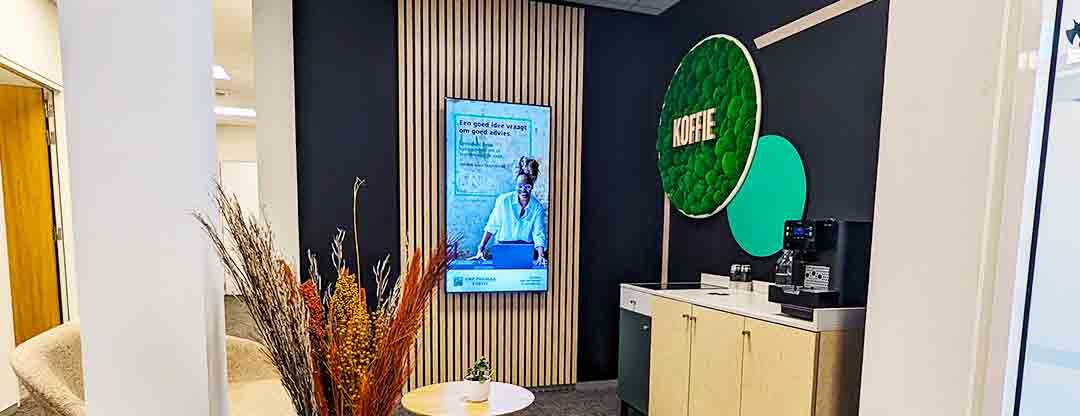
- Commercial spaces: Interior wrapping is ideal for temporary or seasonal restyling in shops, showrooms, or hotels.
Conclusion
Interior wrapping is a smart, sustainable, and versatile way to update an interior quickly without major renovation work. It offers endless options in colour and design, is easy to maintain, and can be replaced whenever you want a new look.
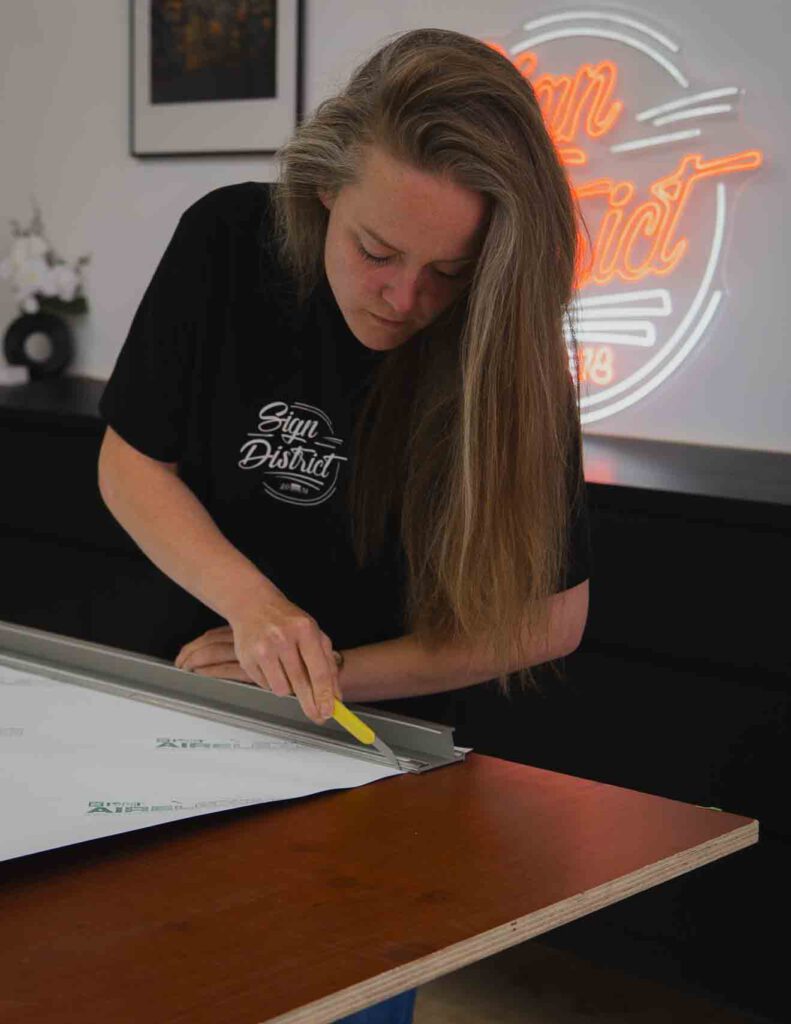
Would you like to know what interior wrapping can do for your home or business? Feel free to contact Sign District for personal advice and a tailor-made solution.
Sources
- Janplakt – Interior wrapping: what is it and what are the benefits?
- Maegis – Interior film: restyling without renovation
- WRPPN – Sustainable restyling of your interior
- Vink VTS – Interior film applications
- Foliewereld – Interior film and restyling
- Snelwrapfolie – Interior film for kitchens and furniture
- Keukenkast Wrappen – Benefits of interior film
- Bensign – Interior film for businesses
- Wrap Institute – Interior wrapping tips