
Introduction
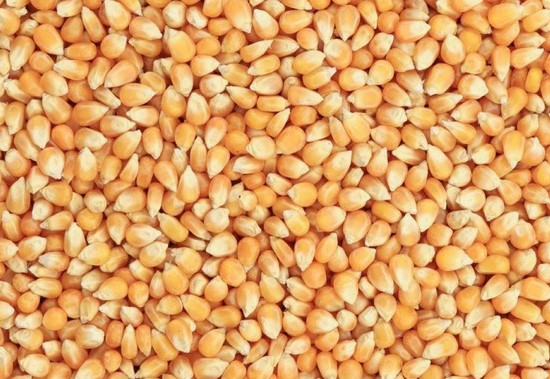
Industrial corn refers to corn that is not primarily grown for direct human consumption but serves as a raw material for industrial applications. This type of corn is cultivated on a large scale and processed into a wide range of products used in industry.
Article Summary
- Industrial corn is grown for industrial processing, not for direct human consumption.
- It is used for animal feed, bioethanol, biodiesel, biogas, starch, oil, bioplastics, and numerous industrial products.
- In the signage industry, industrial corn is especially relevant as a feedstock for bio-based plastics such as PLA used in sustainable films.
- The use of industrial corn in sign materials has been on the rise since around 2010, particularly in durable, PVC-free alternatives.
What Is Industrial Corn and What Is It Used For?
Industrial corn is typically common maize (Zea mays) specially cultivated for processing into products such as:
- Animal feed (especially silage corn and corn gluten)
- Bioethanol and biodiesel (biofuels)
- Biogas production (anaerobic digestion)
- Corn starch and glucose syrup (for food, adhesives, paper, cardboard, and pharmaceuticals)
- Corn oil (for food and industrial use)
- Plastics and bioplastics (e.g., PLA, polylactic acid, made from corn starch)
- Paper, cardboard, adhesives, soaps, tires, and other industrial goods
Only a small portion of the world’s corn harvest is consumed directly by humans; the majority is processed industrially or used as animal feed.
How Is Corn Classified as “Industrial”?
Corn is classified as industrial when its primary purpose is not direct human consumption but industrial processing into raw materials for other products. This includes:
- Silage corn grown for fermentation or animal feed
- Field corn grown for starch extraction, bioethanol, or bioplastics
- Specialized varieties selected for high yield, starch content, or suitability for industrial processes
Thus, the term “industrial” refers mainly to the crop’s end use and its large-scale, often mechanical, processing into intermediates or final products.
Industrial Corn in the Signage Industry
In the signage industry, industrial corn is used indirectly as a source of bio-based plastics. A well-known example is PLA (polylactic acid), a bioplastic derived from corn starch, used in biodegradable films or as the base material for certain PVC-free wrap films. Some inks and coatings may also contain corn-based bio-components.
3M was among the first major brands to incorporate PLA and other corn-derived bio-based components into its sustainable films, such as the Envision™ series. This trend began in the 2010s and has become increasingly important over the past decade in the sign and print industry, driven by demand for eco-friendly alternatives to traditional fossil-based plastics.
When Is Industrial Corn Used in Signage?
- Since around 2010, bio-based films and inks—partly derived from industrial corn—have been commercially deployed in the signage sector.
- The introduction of PLA-based films and PVC-free alternatives has accelerated over the last ten years, fueled by the growing demand for sustainable and circular materials.
- Major brands like 3M and Avery Dennison, among other innovators, have since incorporated industrial corn-based raw materials into their product lines.