Introduction
What is PPF? PU and TPU films (commonly known as PPF – Paint Protection Film) are rapidly gaining popularity within the sign and wrap industry, particularly as high-end protection solutions for vehicles. These films offer unique properties that set them apart from traditional PVC or PET films. But what exactly are PU and TPU, what makes them special, and how are they used?
In this article, you’ll learn everything about the composition, benefits, and applications of PU/TPU film.
PU/TPU films are extremely durable, elastic, and self-healing — ideal as paint protection film.
Summary of this article
- PPF: PU/TPU films are extremely durable, elastic, and self-healing — ideal as paint protection film.
- They protect against scratches, stone chips, and chemicals.
- PPF: TPU films are flexible and suitable for complex shapes.
- PPF PU/TPU films are more expensive but offer the best protection and longevity.
- They’re becoming increasingly popular in the sign and wrap industry.
What is PPF? PU/TPU Film?
So, what is PPF? PU stands for polyurethane, while TPU refers to its thermoplastic variant: thermoplastic polyurethane. TPU films are thin, flexible, and highly durable membranes made from TPU polymers. They combine the elasticity and toughness of rubber with the processability of plastic.
Unlike PVC films, TPU films are very stretchable, tear-resistant, and can withstand extreme conditions. There are different types of TPU, such as polyester TPU (resistant to oils and greases) and polyether TPU (excellent resistance to moisture and hydrolysis).
Key Properties and Advantages
Paint Protection Film (PPF) TPU films stand out due to several unique features:
- Exceptional flexibility and elasticity: They easily adapt to complex shapes and remain supple over time without cracking or tearing.
- Self-healing properties: Many TPU films, especially PPF types, can make small scratches disappear when exposed to heat (sunlight, warm water, or a heat gun).
- High mechanical strength: TPU films resist abrasion, punctures, and tears, offering long-lasting protection.
- Excellent water and moisture resistance: Polyether TPU is especially suitable for applications where moisture is a factor.
- Chemical resistance: TPU resists oils, greases, solvents, and household chemicals.
- Breathability: TPU films can be engineered to allow air and moisture vapor to pass through while blocking liquids.
- Thermoplastic processability: TPU films can be easily shaped, welded, laminated, or heat-sealed.
- UV and discoloration resistance: TPU retains its clarity and elasticity even after prolonged exposure to sunlight.
Applications in the Sign and Wrap Industry
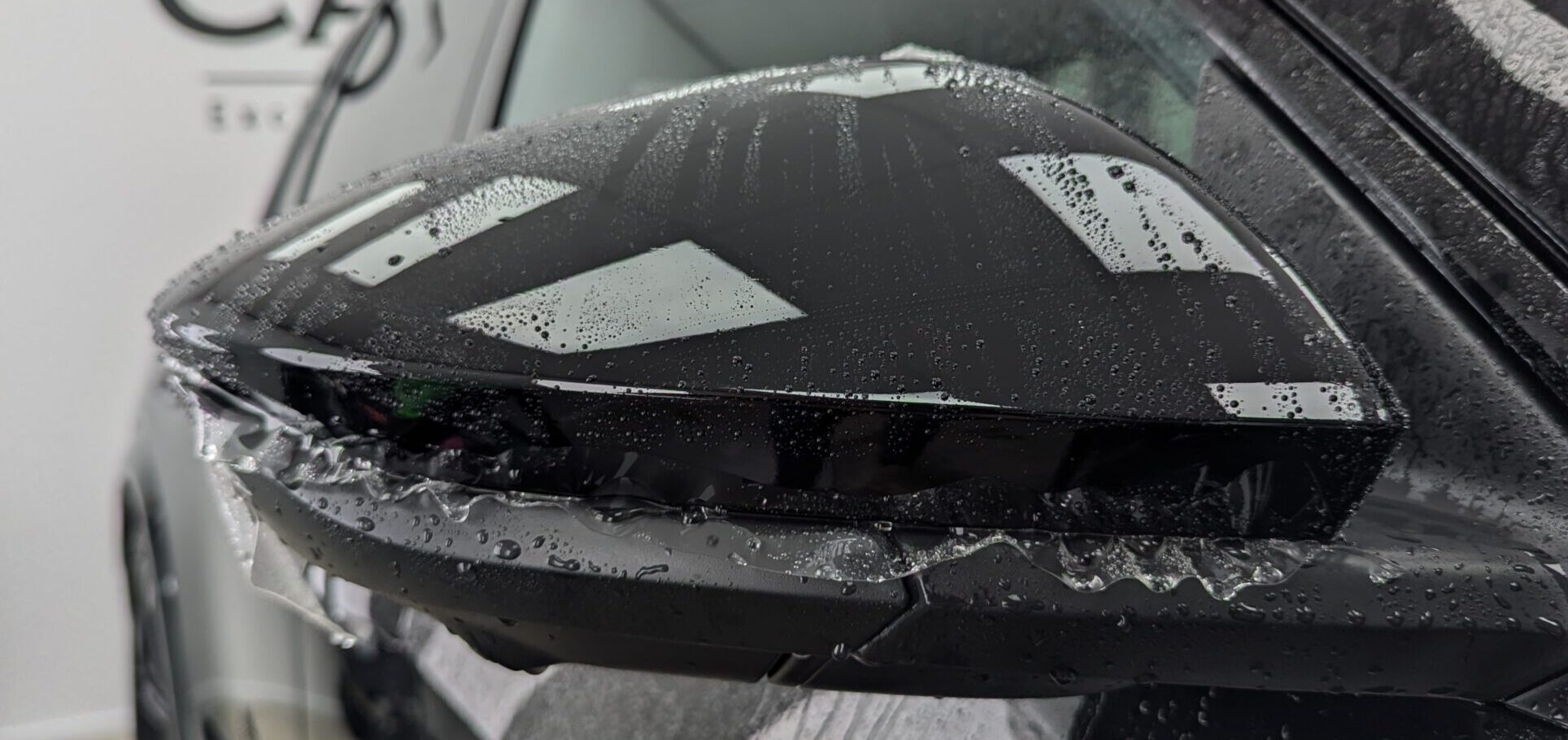
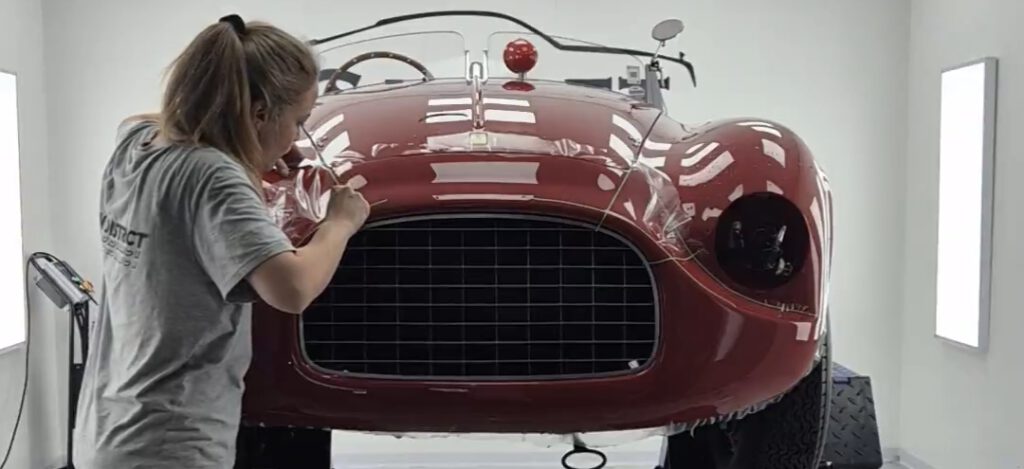
The primary use of TPU film in the sign and wrap industry is as paint protection film (PPF) for vehicles. This transparent, nearly invisible film protects paintwork from stone chips, scratches, insect residue, road salt, and other external influences. Thanks to its self-healing abilities, the surface stays looking like new for longer.
In addition, TPU film is used for premium wraps — particularly when maximum protection and durability are required. TPU also finds use in interior design, sports equipment, and even medical devices due to its combination of flexibility, strength, and resistance.
PU/TPU vs. Other Films
Compared to PVC and PET films, TPU offers superior protection, elasticity, and lifespan. PVC films may discolor or become brittle over time, while TPU retains its properties and is less prone to tearing or lifting. PET is stiffer and scratch-resistant but lacks TPU’s extreme stretch and self-healing capability.
Although TPU films are generally more expensive, they deliver the best protection and durability — especially for demanding applications such as cars, motorcycles, and sports gear.
Conclusion
What is PPF? PU/TPU films have become the new standard for high-performance protection in the sign and wrap industry. With their flexibility, self-healing ability, durability, and resistance to water, chemicals, and UV radiation, they are ideal as paint protection films and for other demanding uses.
Would you like to learn more about how PU/TPU film can be applied to your vehicle or project? Feel free to contact Sign District for personal advice and a customized solution.
Bronvermelding
- Rivertex – TPU Film uitgelegd
- ZWF – Welke folie gebruikt een signbedrijf?
- Ultimate Tuning – ARMED PPF Tint
- Black Just Black – Wat is PU leer?
- Odin Mold – Wat is het verschil tussen TPU en PU?
- Vreeberg – TPU Film
- Ultimate Tuning – Verschillen tussen TPH en TPU PPF Tint Folies
- Chengsen Kunststoffen – Thermoplastisch polyurethaan (TPU)
- PPF Nederland – Paint Protection Film
- XPEL – Wat is Paint Protection Film?
Citaties
- https://www.rivertex.com/nl/news/tpu-film-explained
- https://zwf.nl/welke-folie-gebruikt-een-signbedrijf/
- https://www.ultimatetuning.nl/c-7325624/armed-ppf-tint/
- https://www.black-just-black.nl/pu-leer
- http://nl.injectmould.com/info/what-is-the-difference-between-tpu-and-pu-46683527.html
- https://vreeberg.nl/tpu-film/
- https://www.ultimatetuning.nl/c-7332917/verschillen-tussen-tph-en-tpu-ppf-tint-folies/
- https://nl.absextruding.com/info/thermoplastic-polyurethane-tpu-27010052.html
- https://www.magiring.com/nl/gloss-aluminum-tpu-ppf/
- http://nl.leo-newmaterial.com/news/exploring-the-sustainability-potential-of-tpu-80571208.html
- https://woodstock-vloeren.nl/pe-folie/
- https://www.wondbedekkers.nl/pufolielijm/pufolielijm-achtergrondinformatie.htm
- https://www.nanxiongtpu.net/nl/news/industry-news/what-is-the-difference-between-tpu-and-pu-membrane-/
- https://www.nautasign.com/printmedia-laminaten
- https://www.grafityp.com/nl/blog/grafityp-zelfhelende-lakbeschermingsfolie/
- https://isolatienoord.nl/kennisbank/pur-isolatie
- https://www.ultimatetuning.nl/a-94787512/teckwrap/teckwrap-premium-high-grade-tpu-high-gloss-paint-protection-film/
- https://www.pixelprints.nl/kennisbank/tpu-filament-alles-wat-je-moet-weten
- https://www.blugarda.nl/blogs/vijver/het-kiezen-van-de-juiste-vijverfolie-een-complete-gids
- https://www.alpagro.be/over-ons/ons-productieproces/