Introduction
Sustainability plays an increasingly important role when choosing materials in the sign and interior design industries. Wrap films, cut films, and interior films offer an attractive alternative to traditional solutions such as paintwork or renovations. But how sustainable are these films really? In this article, the most important aspects of sustainability, lifespan, and environmental impact are explained, so you can make an informed choice for your film project.
Summary of this article
- Wrap films are more environmentally friendly than paintwork and reduce harmful emissions from traditional coatings.
- Cut films vary in lifespan from 3 to 12 years, depending on the type of film.
- Interior films extend the lifespan of furniture and are often recyclable film solutions.
- Cast films are the most durable film option, while monomeric films are mainly suitable for short-term projects.
- Film sustainability depends on material, production method, and maintenance.
Wrap films: sustainable alternative to paint
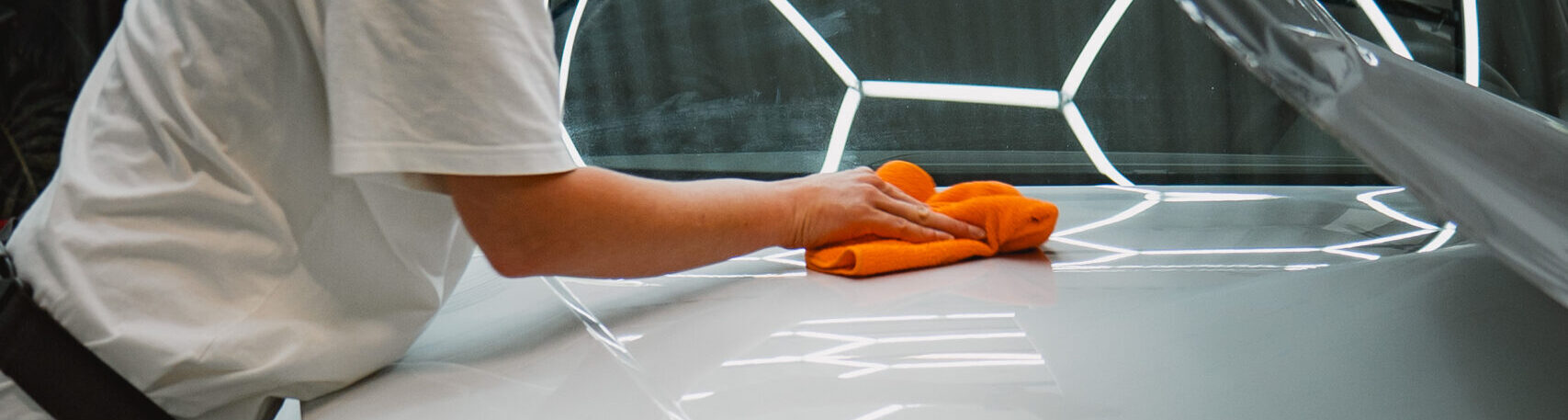
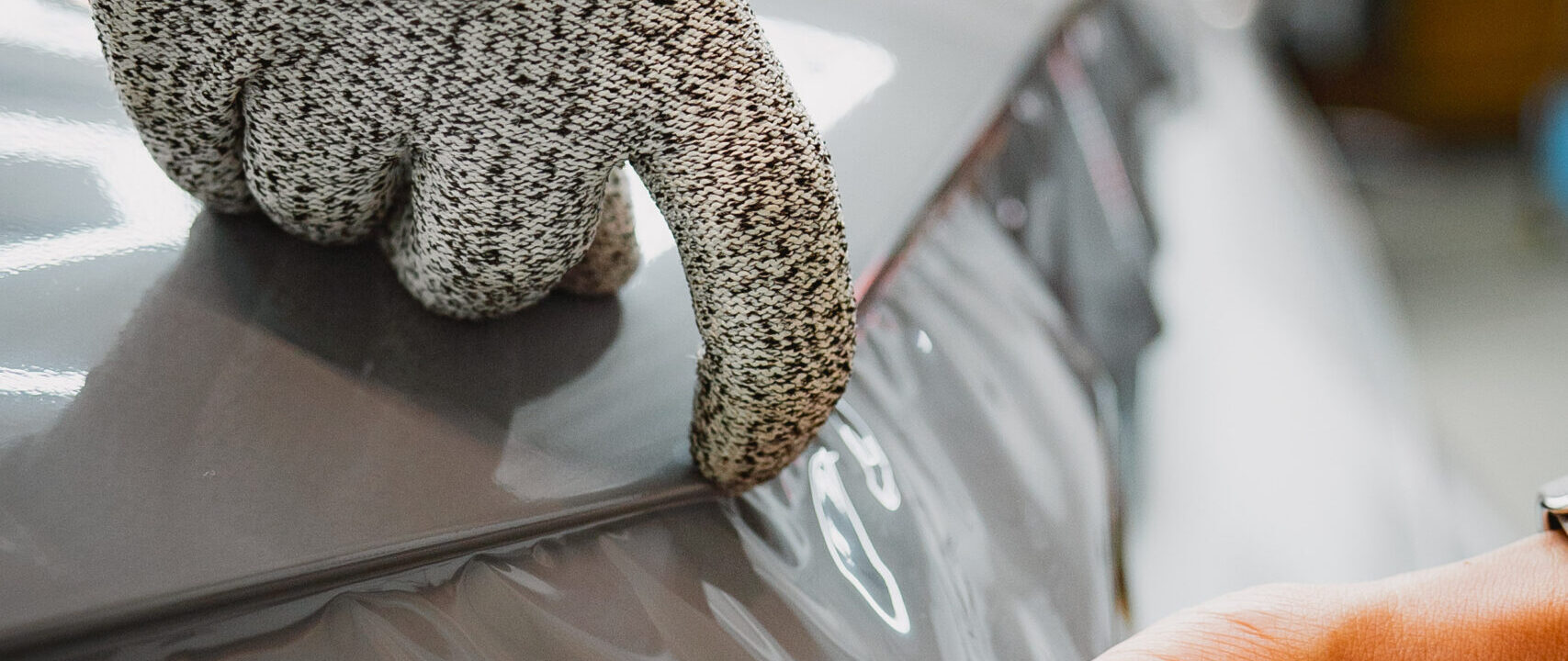
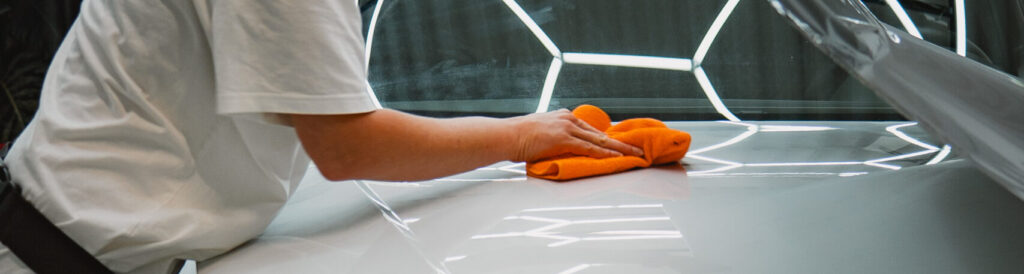
Wrap films are a sustainable alternative to traditional paint systems. Applying a film wrap consumes significantly less energy, because there is no need for spray booths or drying tunnels. Film is cut to size, which minimizes material waste during a film project. No harmful fumes or volatile organic compounds (VOCs) are released during installation, unlike with conventional paintwork.
Modern wrap films are resistant to UV radiation, protect the original paint, and therefore extend the lifespan of the vehicle. These films are easy to remove and many film products can be recycled. High-quality wrap films offer a film lifespan of 5 to 10 years, depending on the type of film and intensity of use.
Cut films: lifespan and material choice
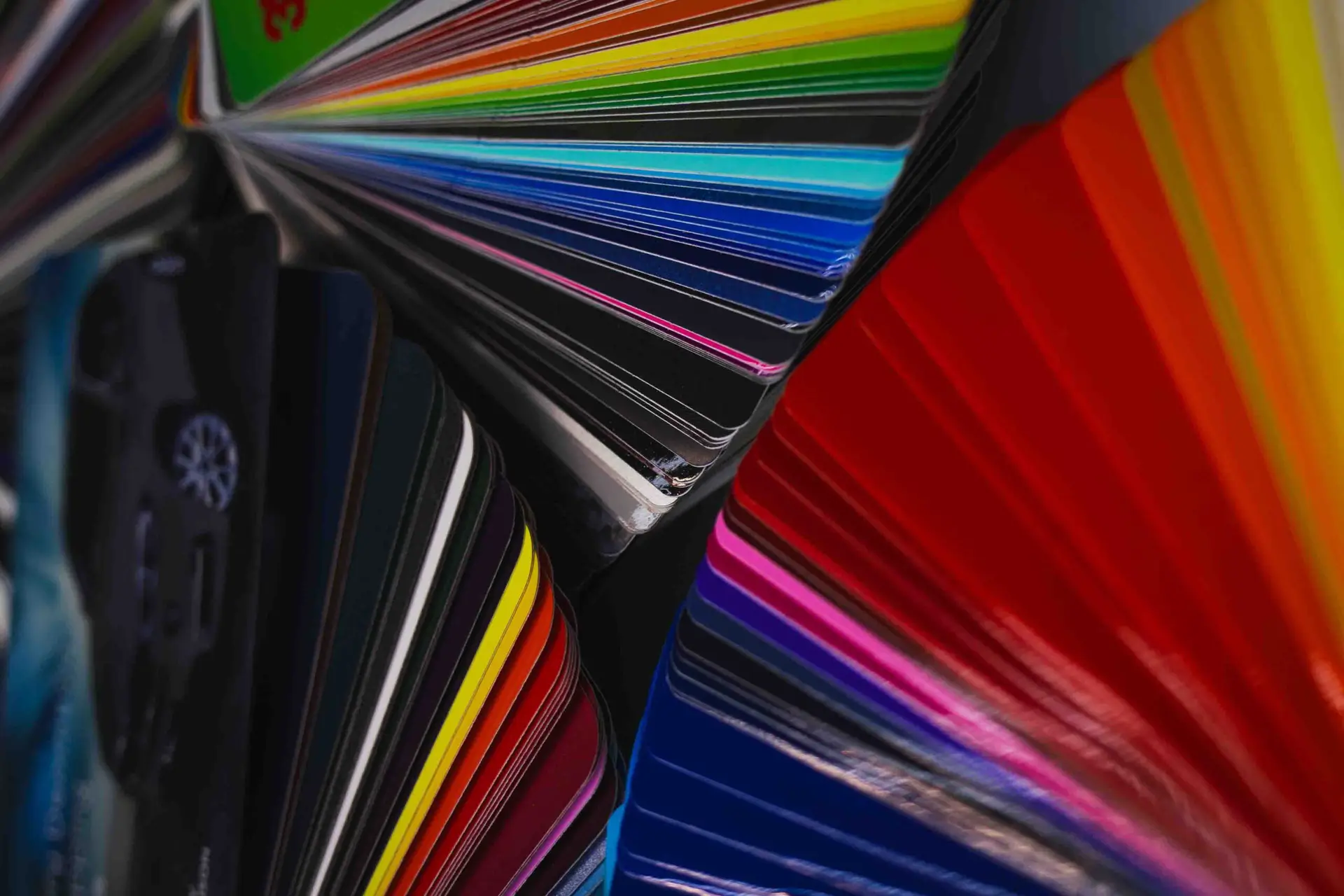
The sustainability of cut films (plotter films) depends strongly on the type of film used:
- Monomeric cut film is suitable for flat surfaces and temporary film applications (outdoor lifespan: 3 to 5 years).
- Polymeric cut film is suitable for flat and slightly curved surfaces (outdoor lifespan: 5 to 8 years).
- Cast cut film is highly flexible, suitable for complex shapes and vehicle lettering (lifespan: 7 to 10 years).
The production method and the plasticizers used determine the lifespan and environmental impact of the film. Cast films are the most durable film type, while monomeric films are mainly suitable for short-term film projects. Want to know more about the differences between film types? Read an in-depth article here.
Interior films: reuse and lifespan
Interior films are a sustainable film solution for restyling kitchens, furniture, doors, or walls. Instead of full replacement or demolition, the existing object can be retained and given a new look with high-quality interior film. This saves raw materials, prevents waste, and significantly extends the lifespan of the interior.
Interior films are often made from high-grade PVC or polypropylene and many film products are recyclable. They are scratch-resistant, heat-resistant, and protect the underlying surface. The lifespan of interior films varies, but with good quality film and professional installation it can be 5 to 10 years. These films are also easy to remove and replace without damaging the substrate.
Summary
Wrap films, cut films, and interior films offer a lot of sustainability. They are energy-efficient in production and use, reduce harmful emissions, and extend the lifespan of vehicles and interiors. Choosing the right film for your application helps reduce waste and lower environmental impact.
Would you like to know which film is the most sustainable option for your project, or are you looking for advice on environmentally friendly film applications? Feel free to contact Sign District for independent advice and a tailor-made film solution.
Sources
- Blindeer Koning – The environmental benefits of car wrapping vs. paint
- Vink VTS – Differences in cut film (plotter film)
- Janplakt – Renew your interior sustainably
- WRPPN – Sustainable restyling of your interior
- Snelwrapfolie – Why we work with branded films
- Maegis – How long does interior film last and is it sustainable?
- Snelwrapfolie – 3M 2080 Gloss Wrap Film
Revicoat – Differences between wrap films